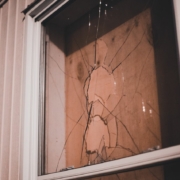
Why Replace Glass Before Brisbane’s Storm Season?
As spring winds pick up and heavier clouds start to roll over Brisbane, it’s a good time to check the condition of your windows. We all know how sudden and severe the weather can get once storm season hits. Rain, wind, falling branches, and flying debris can all put pressure on even the smallest crack. If anything’s already weak, those early bursts of wind can make things worse.
That’s why looking into glass replacement before storm season really settles in can make a difference. Catching damage now can prevent a major break when the weather turns wild. When rain comes down hard or hail hits sideways, even a small fault in a window can lead to bigger problems. Getting ahead of it keeps your home or vehicle safer without rushing when storms are already on the radar.
How Storm Season Impacts Glass in Brisbane
Brisbane’s storm season usually begins towards the end of October and builds through summer. The mix of heat and moisture can turn an average day into a thunderstorm with little warning. When that happens, glass faces different pressures all at once.
- Hail can come down fast and hard and cause chips or full cracks.
- Strong winds turn branches, signage, and loose items into flying hazards.
- Sudden shifts in pressure or temperature put added stress on any weak spots already in the glass.
Undamaged glass stands a much better chance of holding up during these bursts of force. But one small crack or an older window that’s already loosened at the edges won’t take much to fail. That’s why it’s important to treat any signs of wear seriously before that weather sets in.
Small Damage Can Turn Into Bigger Problems
A little chip from a stone or a short hairline crack might seem harmless at first. It often doesn’t stand out until the light hits just so. But under storm conditions, weak spots can spread fast.
- Wind pressure pushes against the surface, especially on larger windows where the frame doesn’t protect the centre.
- Rain can seep into tiny gaps, and once water gets between layers, it can keep working at the damage from the inside.
- Hail or debris can strike the same weakened point again, causing the glass to break completely.
The results aren’t just something to look at, they can affect safety too. Cracks near edges can loosen the seal, leave a window rattling, or even let water run inside behind furniture, flooring, or car trim. That’s why what starts as small damage shouldn’t be ignored for long.
Why Spring is the Best Time to Check Your Glass
We always find spring is one of the most manageable times to take stock of your windows. Summer can bring heat-driven storms and fast changes. Winter’s shorter days and cold mornings can make inspections harder to do thoroughly. But spring is a much better balance.
- Days are longer, so you’ve got more time in natural light to catch marks or fogging around the edges.
- Weather is usually steady, which makes it easier to schedule and carry out any fixes safely.
- If damage is found now, there’s still time to sort it before the holidays or worse weather arrives.
It’s also the season when many households start to open up doors and windows again. If anything’s loose, it’s more likely to show up as things shift and adjust to the warmer air. That’s a clear sign it’s worth taking a closer look.
River City Glass regularly supplies and installs glass that meets AS1288 standards, along with toughened or laminated options for extra protection in storm-prone areas. We offer fast replacement and repair for home and vehicle glass to help customers get storm-ready without the rush of peak season.
Safety Risks of Ignoring Damaged Glass
Leaving damaged glass in place always carries some risk, especially once storms arrive. We’ve seen it cause trouble in a few different ways.
- Visibility through a window can suffer, especially if rain gets between layers or adds glare to an existing crack.
- Glass that’s already weakened can break unexpectedly in the middle of a storm, which is not something anyone wants while driving or sitting near a window.
- Sharp edges from fractures, especially side or back windows, can increase the chance of injury if conditions get wild.
It’s not always obvious when a piece is near its breaking point. That’s why we always pay attention to how the glass sounds and moves. If it starts ticking, shifting, or losing its seal at the corners, that’s a red flag.
Stronger Protection Means Less Stress
Planning ahead gives you more control when the skies start to change. When glass is solid and properly sealed, it acts as a stable barrier against whatever the weather sends your way. If it’s already damaged, you’re left guessing if it’ll hold.
- Newer or replaced glass gives stronger resistance against wind, hail, and pressure.
- Properly sealed windows stop rain from creeping in and damaging furniture or belongings.
- You avoid scrambling for help during the busiest part of storm season.
Timing plays a role here too. Getting things checked early lets you get ahead of the crowds. No waiting through delays or dealing with broken glass right before a holiday trip. You know your windows are ready and can move into summer without the extra worry.
Every River City Glass replacement comes with a workmanship guarantee, so you know your upgrade is built to last through all kinds of Brisbane weather.
Stay Ready Before the Weather Turns
Storm season can move fast in Brisbane. One day it’s warm with light cloud, the next you’re dodging sudden winds, lightning, and roof-shaking thunder. Being ready means not leaving anything to chance.
- Look for chips, cracks, or signs of movement now, before things get worse.
- If there’s any question about the strength or seal of your windows, don’t wait for rain to find out the hard way.
- A bit of preparation now makes a big difference once summer weather really kicks in.
Glass often feels like something we don’t need to think about until it fails. But in our experience, paying attention early means less stress later. Whether it’s your home or your car, a solid pane of glass is one less thing to worry about when the sky starts to turn. Let’s make sure it’s ready before the clouds roll in.
Spotting early signs of wear or small cracks in your windows is a smart time to act, especially before Brisbane’s unpredictable spring weather brings heavy rain, strong winds, or hail. At River City Glass, we know how fast minor issues can turn into bigger headaches when storms roll in. Staying ahead of repairs means less stress and fewer costly surprises. For peace of mind and to make sure your windows are ready for anything Brisbane throws your way, consider booking a professional inspection or arranging a quick glass replacement. Give us a call to talk through your needs.