
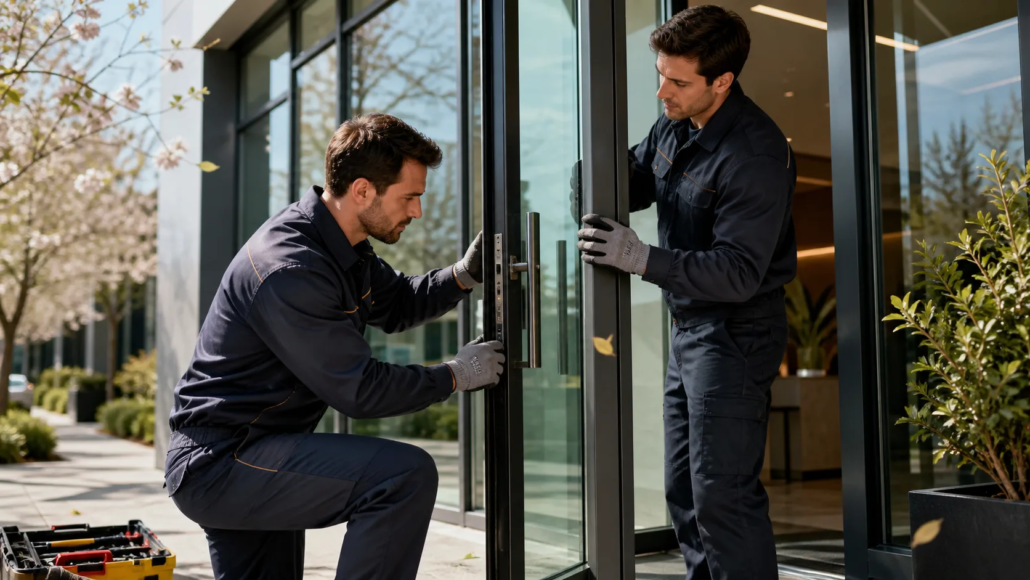
Fix a Glass Door Before Spring Winds Become a Problem
Spring in Brisbane is a welcome change after winter, but those first bursts of warm air often bring strong gusts that take a toll on anything not ready for them. This includes glass doors. If there’s ever a smart time to fix a glass door, this is it. Waiting too long might turn a small crack or rattle into something much worse once the spring winds pick up.
We see more damage during early September than almost any other time of year, often because people haven’t looked closely at doors that went unused during winter. In this piece, we’re going to walk through what to look for, what happens when glass doors are left too long, and what you can do to keep yours in good shape now that the seasons are turning.
Why Spring Winds Put More Pressure on Glass Doors
Once the temperature shifts, doors that weren’t used for weeks get pushed open again. As those first strong spring breezes arrive, they catch doors by surprise, especially sliding or hinged glass ones. In Brisbane, the gusts don’t need to be wild to cause damage. Just a few days of constant push and pull can wear things out.
- Older panels tend to move slightly in their frames, which might not seem like much until they start catching with every breeze
- Worn rollers on sliding doors often make the door stick or snag, increasing strain
- If seals or tracks are already loose or crumbling, wind rattling the glass makes it worse quickly
Patio doors and back entrances see it the most. After winter, the wood or metal around the frame may have shifted, dried out, or shrunk. That makes a glass pane more vulnerable when spring lifts the pressure.
It is also important to remember that when the temperature swings happen, materials around the door can expand and contract. Glass responds to these changes differently compared with timber or aluminium, and that can add extra movement you cannot see straight away. Sometimes weather that feels mild to us still leads to stress fractures or loosening in the door’s structure.
Another thing we notice a lot is that outdoor furniture, pot plants, and decorations, moved closer to doors after winter, sometimes add to the problem. Items placed near glass panels can become hazards if gusty winds knock them into the glass or if they block smooth sliding motion. Keeping these patterns in mind can help you spot risks before they cause a crack or chip.
Signs a Glass Door Needs Attention
Before doors break, they usually give away a few signs. The trick is noticing them early enough to stop problems getting worse.
- Rattling sounds when the door moves or when wind passes through
- Sudden difficulty sliding or locking the door
- Fine cracks starting from corners or edges
- Water getting in at the base or corners after light rain
- Cold air sneaking through even when the door’s fully closed
Some of these might seem harmless, especially if the door still works most of the time. But any one of them can mean extra risk when repeated use returns with the warmer weather. It’s easier, and safer, to sort it out now rather than later when a jammed lock or shattered corner knocks everything off course.
Even a minor draft through a closed door can signal that the glass or the seals are out of alignment. This can happen after just a few cold snaps or a particularly damp winter. If you notice condensation appearing between glass panes or new water spots on flooring near the door, these are subtle cues something is off.
Sticking handles or stubborn locks are also warning signs. Sometimes people dismiss these as normal for older doors, but friction and sticking can mean the frame has shifted or the tracks are starting to clog. These are the little hints that door repair or adjustment can help you avoid bigger problems soon after windy weather comes through.
What Happens If You Don’t Fix It in Time
A glass door that looks okay today might not stay that way for long if there’s already hidden strain. Waiting until something breaks often leaves fewer choices and higher costs.
- Slamming doors can crack glass quickly if the frame is loose or the hinges wobble
- A broken latch or warped frame can lock you out or trap you inside, bad timing if weather worsens
- If a crack spreads or the panel pops out of the track, there’s little time to act before it becomes an emergency
It’s not just a matter of safety. Leaving a known issue open through early spring often leads to damage that can’t be patched or adjusted. What could have been a quick repair can easily turn into a full replacement.
Cracks and chips can go from minor to major without much warning, especially as winds get wilder. Sometimes it is not the glass itself that gives way, but the structural parts holding it in place. Once the frame warps or the sealing fails, moisture gets inside, and the damage multiplies quickly. This is when secondary problems, like swelling door tracks or mould around seals, begin to show up and become more serious headaches for homeowners.
It’s not only about immediate trouble, either. A door that isn’t properly sealed or that shifts with each gust will let in noise, bugs, or even debris. Over time, these small annoyances lead to repairs for other parts of the home. A cracked door also reduces energy efficiency, which matters once spring turns into a hot, sunny Brisbane summer and air conditioning becomes a daily need.
Choosing the Right Glass or Frame for Tougher Conditions
If it’s time to replace or upgrade, it helps to know which kinds of glass hold up well in changing weather. Some are more forgiving if the frame shifts slightly, or if kids or pets bump into doors during play.
- Laminated glass has layers bonded together so even if it cracks, the pieces stay in place
- Tempered glass is heat-treated to be stronger and less dangerous if it breaks
- Sliding doors near exposed yards or courtyards often benefit from these, plus extra lock support
Frames matter, too. Aluminium stays firm through warmth and dampness, but older timber can warp with changing air levels. A newer frame shape might make a difference, especially on doors that get used many times a day or face open areas.
River City Glass fits toughened or laminated safety glass for all replacements as standard and supplies sturdy aluminium, uPVC, or timber frames that hold up in Brisbane’s shifting climate. Every installation receives a workmanship guarantee to ensure safety and reliability during the windiest and wettest months of spring.
You might be wondering which material is right for your home. Think about the position of your doors as well as who uses them. Areas facing west can get the harshest sunlight in spring, while north-facing doors can take the brunt of cooler winds. If your household includes young children who may lean on or press against the glass, laminated panels are often the safest bet. If you hear repeated slamming or see pets nosing at doors at every opportunity, a more robust frame or added lock can help.
Don’t overlook the long-term benefits, either. Doors made to handle seasonal changes can increase comfort and peace of mind for years, rather than needing quick fixes after every windy day. That is why we always supply high-quality options and fit them professionally, ensuring you get both durability and safety tailored to local needs.
Keeping Doors Safer During Seasonal Changes
Sometimes the best results come from small habits. We have noticed that the homes with fewer door problems are not always the ones with the newest gear, it is often just people staying a step ahead with upkeep.
- Wipe down door tracks every few weeks, especially after any rain or heavy wind
- Keep locks and handles tight so they don’t allow extra movement
- Close doors gently but firmly instead of letting the wind swing them shut
- Watch forks, grills, and toys set up near panels, they often scrape or knock into glass without warning
It only takes a few minutes now and again to keep something from turning into a mess right before a weekend gathering or first BBQ of the season.
Make it part of your usual cleaning routine to check the rollers and clear away any build-up in tracks. If you have children, remind them not to slam doors or swing them open without checking behind first, particularly if there is a breeze. When storms are predicted, try moving planters and outdoor chairs a little further from the doors, reducing the risk of sudden bumps. These little efforts go far in stopping both minor and major glass door fixes during spring.
If you notice anything unusual – a rattling sound, a new gap, or a spot where the door edge seems loose – take a closer look before passing it off as a quirk. You will often save yourself extra trouble by sorting out small repairs right when you notice changes. Regular care does not take long and ensures your spaces remain comfortable and secure, no matter what the season brings.
A Safer Home Starts With Smarter Timing
Glass doors work harder than we think, and once spring kicks in, they are under constant pressure again. That is why it is smart to fix a glass door before you find yourself dealing with a bigger problem.
Spotting the signs early and making small changes now saves stress later. Brisbane’s seasonal winds will do what they will, but with a bit of care, your glass doors do not have to suffer because of it.
When your glass door starts sticking or you notice signs of wear, it is best to act before the issue gets worse. Brisbane’s unpredictable weather can take its toll, but at River City Glass, we offer practical solutions so your home stays secure and comfortable. Let our expert team handle every detail of your next fix a glass door project, ensuring it is done safely and suited to your property. Call us today to get started.

