Mirror

Mirrors in Brisbane Homes That Reflect More Than Looks

Mirrors often live on our walls without much thought, yet the way we use them can do far more than add a bit of sparkle. In Brisbane homes, mirrors are starting to take on thoughtful roles, helping with everything from space and light to mood and layout. As the hot, bright days of summer start to fade and autumn settles in, the way natural light enters our homes begins to shift. That change creates opportunities to rethink where our mirrors go and why we pick the ones we do.

When we talk with locals about mirror use, the word ‘decorative’ almost always comes up first. What’s interesting is how mirrors in Brisbane have evolved into something with more quiet influence. With the days getting shorter and the afternoons losing their late glow, positioning and style become less about nice reflections and more about creating spaces that feel open and comfortable.

More Than a Reflection: How Mirrors Shape Light and Space

There’s something simple but powerful about placing a mirror where light naturally lands. When angled well, it can catch that early sunlight or bounce softer afternoon light deeper into the room. Especially now, when sunsets arrive earlier and mornings take longer to brighten, mirrors offer a way to make the most of what light we do have.

  • Putting a mirror opposite a window can soften harsh shadows and bring warmth to cooler corners.
  • Mirrors close to entry points help natural light flow through the home, sometimes reducing the need for extra lighting.
  • A small mirror in a narrow hallway tricks the eye into feeling more space is available and keeps areas from feeling closed off.
  • High-mounted mirrors above fireplace mantels or furniture keep reflection going without disrupting furniture placement.

Beyond function, light changes the feel of a room. A dull corner starts to soften. A bright reflection above a sofa keeps the space awake during the darker hours. These little choices add up, especially in smaller or older homes where light control isn’t as easy.

Local Living: Mirror Choices That Suit Brisbane Homes

Brisbane has a wide mix of buildings, from older Queenslanders with timber frames to new townhouses built close together. The mirror choices that work best often depend on the layout, airflow, and room use during the milder months.

  • Queenslander homes often have high ceilings and breezeways, which make them perfect for vertical mirrors that pull the eye upward.
  • Townhouses and apartments tend to have tighter layouts. Wall-to-wall mirrors in living areas or mirrored wardrobes can help stop them from feeling boxed in.
  • Homes near the river or coast face more humidity. In those cases, avoiding wood frames or untreated backing is key. Materials like powder-coated aluminium or sealed composite frames tend to hold up better through Brisbane’s autumn air.

When it comes to finishes, we often see matt black, natural timber tones, or aged bronze pick up popularity during March. These softer finishes work well with seasonal changes in colour and light, striking a balance between warm interiors and cooler outside light.

River City Glass supplies custom-cut mirrors in a range of shapes and safety-backed options for family homes, including frameless and modern contemporary looks. All installations are done with AS1288-compliant mirror glass and a workmanship guarantee.

Function Meets Feel: Everyday Uses Beyond Style

It’s easy to think of mirrors as decorative. In practice, most of us use them for far more ordinary reasons. If the mirror’s gone, the interruption is quick and noticeable.

  • Entryway mirrors are still favourite spots for quick checks before heading out, while helping to brighten often-dim front halls.
  • In bedrooms, a full-length mirror serves both dressing and lighting needs. The right placement can even make the space feel private yet expansive.
  • For homes with young children or large dogs, mirror height matters. Placing panels out of easy reach but still useful can balance safe living with everyday comfort.
  • Mirror panels inside wardrobes or behind bed heads are smart ways to be practical without cluttering the walls.

These mirrors don’t shout their purpose. They settle into the room quietly, making life smoother regardless of time of year or how busy the household feels.

From Old to New: Updating Mirrors With Purpose

Brisbane holds plenty of homes with older fixtures still in use. It’s not uncommon to come across mirrors that have lost their shine or no longer make sense for the room around them. Autumn is the kind of season where a bit of quiet reset happens inside the house, and mirrors are an easy place to start.

  • Old mirrors with rusted backing or dated frames often darken a room more than help it. A simple frame swap can shift the tone completely.
  • Rethinking placement is sometimes better than buying new. A good mirror moved to a better-lit spot often feels brand new in its energy.
  • We’ve seen people take down large wall mirrors and break them into smaller, grouped mirrors across adjoining spaces. That small trick carries light but feels less heavy visually, especially in rooms with darker walls or older lighting.

A refreshed mirror setup doesn’t need to follow current trends. Using mirrors to suit the structure and age of your home makes your space feel more lived-in and grounded.

What Mirrors Say About a Space

We notice a lot about a room by the way mirrors are used. Some rooms seem to pull you in, calm you down, or guide your focus simply through their reflections. That isn’t by accident.

  • In busy spaces (like family rooms or kitchens), wide mirrors help create structure and calm by reflecting stable lines such as shelves or artwork.
  • In studies or reading corners, placing a mirror near a soft lamp or plant can make the space feel deeper and more thoughtful.
  • Mirrors above dining settings help keep gatherings feeling light and open, without crowding the wall with frames or art.
  • As the season changes, mirrors can also reflect indoor changes. A mirror near a burnt orange throw or seasonal arrangement reflects those small autumn comforts back into the room.

Mirror choices start to become reflections of how we like a space to behave, not just how it looks. Over time, these little details shape how we live within our homes.

Creating Comfort and Clarity at Home

Mirrors add more than shine. Done well, they gently change how a room feels and functions, often quietly working in the background. As we ease into the slower light and cooler air of early autumn, it becomes easier to see how smart mirror placement builds a sense of calm, saves light, and supports space.

There’s a kind of comfort in walking into a room that feels brighter than expected. That small lift is often the result of planning, even if it started with a single frame on the wall. Whether it’s about layout, light, or flow, mirrors placed with thought can shift the feel of a home in all the right ways.

At River City Glass, we understand how much thought goes into shaping a space that suits the season, style, and daily needs of your home. As autumn settles into Brisbane, rethinking your mirror setup can bring much-needed light and flow to your living areas. When you’re curious about the best ways to place or update your mirrors in Brisbane, we’re here to offer ideas that match your space and support your lifestyle. Let’s talk about making your home feel more open, balanced, and ready for the cooler months ahead, give us a call.
Window

How to Handle a Window Crack Before It Gets Worse

Autumn is nearly here in Brisbane, and with it comes a mix of mild sunshine and cooler evenings. It’s a good time to check around the home for any problems that might have gone unnoticed during summer. One thing we always keep an eye on during this season is cracked windows. A small chip in the corner might seem harmless now, but if left alone, it could create quite a bit of trouble. When the weather changes and the temperature drops at night, those minor cracks can grow without warning.

Getting window crack repair sorted early on helps keep your home more comfortable and secure. It saves you from dealing with bigger issues later and avoids the stress of an unexpected fix when you least expect it.

Why Small Cracks Deserve Your Attention

It’s easy to overlook a small imperfection in the glass when everything still looks fine from across the room. But glass isn’t something that stays still. It responds to what’s happening around it, especially when the seasons are shifting.

  • Tiny cracks can stretch across the pane when temperatures move from warm to cool
  • Brisbane weather often brings short bursts of rain, and those cracks can pull in moisture
  • A small crack at the corner may cause the whole window to lose strength

Once the seal is broken, even slightly, it’s not just a visual issue. The glass becomes weaker, and the more time that passes, the harder it is to contain the damage. It’s one of those things that’s easiest to manage when it’s still small.

Signs the Crack May Be Getting Worse

We’ve seen a fair few windows that changed quickly from a tidy crack to a messy break. Often, it happens because the clues were ignored or not taken seriously enough. These are the warning signs that mean things are moving beyond a surface issue.

  • The crack grows longer, branches out, or changes shape
  • Windows begin sticking or no longer open smoothly
  • You notice cold air trickling in or outside noise becoming louder

Changes like these suggest the crack isn’t just sitting still. It’s affecting how the window fits in the frame, and that could point to a deeper problem. Spotting these signs early lets us act before a quick fix turns into a full replacement.

How Brisbane’s Autumn Weather Plays a Role

March is one of those months where Brisbane gets a mix of light breezes during the day and crisp air at night. That shift between temperatures can do a number on glass, especially if there’s already a weakness present.

  • Glass expands during warm days then contracts again at night, which stresses damaged areas
  • Dry air lets us see fogging or streaking in window corners more clearly
  • Constant sun and occasional humidity make it harder for old cracks to hold up

The milder weather helps bring attention to things that might have been hidden in the summer glare. Autumn is a useful time to notice a crack before the more humid months return and push it into something worse.

What Happens if You Leave It Too Long

It’s tempting to wait, especially when everything feels stable. But waiting is what makes small damage snowball fast. Even a narrow gap can invite more than just dust.

  • A weak pane is more likely to crack further, especially if pressure is added
  • A crack that spreads may take the whole pane down with it
  • Damp can sneak into small gaps, making way for moisture problems or bugs

We’ve come across homes where mould started near a window crack and spread further than expected. All it takes is one rainy afternoon for that type of thing to get going. It’s cheaper, easier, and far less stressful to deal with the early signs than face a full replacement or mould cleanup down the road.

Better Safe Than Sorry: Acting Early Pays Off

Fixing something small always feels less urgent at first. But once a crack grows, so do the costs, effort, and impact to your home’s comfort. Getting ahead of the problem saves time and keeps those cold nights from creeping inside.

  • A freshly repaired window brings better insulation in the cooler nights ahead
  • You avoid having to rearrange your schedule for a larger repair later
  • The glass holds better against strong breezes or unexpected rain

It’s also about peace of mind. Knowing that damage is handled lets the rest of the season feel simpler. You’re not worrying about how bad that crack will be after the next temperature drop or surprise downpour.

Glass That Holds Up, Inside and Out

Windows are part of how a home protects you, and when they’re strong, the whole house works better. A simple check now, during these early autumn days, is often all it takes to spot and sort issues before they grow legs.

Staying ahead of window crack repair is one of those things we’ve learned to value. It’s quick to ignore but rarely quick to fix once it spreads. Whether it’s a corner chip or a long hairline across the pane, getting it looked at early keeps everything else in place. The better our glass holds up, the easier it is to feel relaxed indoors, no matter what the Brisbane skies do next.

Small cracks in your glass can quickly turn into bigger headaches if left unattended, especially as the weather cools. Taking care of repairs now keeps your Brisbane home comfortable and helps prevent issues like cold air, moisture, or mould from creeping in. At River City Glass, we specialise in dependable help with window crack repair so you can stay ahead of potential damage. Give us a call today and let our team handle those minor issues before they become major problems.

Glass Doors

Why Winter Prep Starts with Fixing Glass Doors

Winter in Brisbane comes with less bite than colder parts of the country, but that does not mean your home is ready before the cool sets in. By early March, we are already feeling shorter afternoons and cooler evenings, which means it is time to prepare before the season does more than just hint at its arrival. What many homeowners overlook is how common it is for sliding or hinged glass doors to let the cold creep in.

Even small damage to a door can leave your space colder, your heating less effective, and your rooms more exposed to the outside. That is why one of the best places to start preparing is at the back door, front door, or patio entry. If you have had plans to fix a glass door but have not gotten around to it, this change in season should give you the nudge. Waiting too long means the damage can grow, costing more and causing bigger headaches as winter settles in.

Why Glass Doors Matter Before Cold Weather Arrives

Glass doors do more than just let in light. They also protect your home from the elements and help control the indoor temperature. A sturdy, well-sealed door keeps the outside air out and the indoor comfort in. But when something is off, you will feel the difference quickly.

Glass doors, especially sliding ones, are one of the easiest places for air to sneak through.

  • Small cracks may not be clear at a glance but can break the seal that keeps temperatures steady.
  • Poorly fitted tracks can let wind whistle through the gap from late afternoon into night.
  • Damaged hinges or warped frames make it hard for the door to sit flush, leaving small spaces where cool air slips in.

Brisbane’s mild winter nights might not bring snow or heavy frost, but they do bring temperature dips that matter. If a door does not close properly or has signs of wear, you are likely spending more to keep the room warm without even knowing it.

What to Look For When Checking Your Doors

It is easy to miss the signs that a glass door is not working like it should, until you slow down and take a proper look. Regular use and long summer heat can leave behind problems that only show themselves as the air cools.

Look for warning signs like:

  • A door that sticks, drags, or rattles when opened or closed
  • Gaps around the edges when the door is shut
  • A broken or poorly working lock or handle
  • Fogging or water between double-glazed layers
  • A frame that looks out of square or has small splits in the corners

The humid Brisbane summer can cause frames to swell or materials to dry out unevenly. Once autumn hits, changes in temperature can pull things back out of position and reveal cracks that went unseen. The earlier you spot these issues, the easier they are to deal with. By taking the time to look now, you can catch minor faults before they turn into bigger repairs.

When It’s Time to Fix a Glass Door

Some wear is normal. A bit of loose paint or dust in the track is not something to panic over. But when a glass door starts catching on the frame or does not feel secure, that is when it is time to fix it. Waiting too long means your home becomes less comfortable and more costly to run.

Here are some signs the door needs attention now:

  • Warped frames that keep the door from sitting flush
  • Handles or locks that do not grip properly
  • Cracks in the glass or chips around the edges
  • Tracks that clog regularly or will not allow the door to glide smoothly

Knowing when to act is half the battle. If you need to fix a glass door before winter strengthens its grip, it is best to get it sorted while the weather still allows for easy access and minimal disruption. Most repairs, when done early, prevent worsening damage or the need to replace the entire unit later on. Noticing these problems early can save you both money and hassle down the track.

Why Autumn Is the Best Time to Act

There is a narrow window between Brisbane’s summer rains and the first consistently cold nights. Autumn fills that space, bringing a stretch of dry days and cooler evenings that make inspection and repair easier.

Fixing minor damage now pays off later. Cooler outdoor air meeting warm indoor air means more condensation and settling in frames. If your doors already have small problems, the change in temperature can make them worse fast. Moisture gets into cracks, frames shift further, and moving parts become stiffer.

By the time winter hits properly, repairs take longer and cost more. You might also spend weeks wrestling with a rattling door or watching your power bill climb because the heat keeps escaping. Acting now gives you a better chance at a quieter, warmer winter. Taking care of your home during the autumn months sets you up for comfort and less stress when colder temperatures arrive.

Long-Term Comfort Starts With the Small Details

A home that holds its warmth starts with more than just the heater. Glass doors that close cleanly, seal out the air, and glide without effort play a quiet but powerful role in how cosy a room feels. Fixing faults early means you rest easier knowing your space is ready for the season.

Autumn is our chance to catch things before they tip too far. If you have noticed a door that does not quite work like it used to, take a moment to check it properly. Sometimes, that small rattle or tiny gap is the only warning you will get. Looking now means you will not have to scramble once winter settles in. When we pay attention to the details early, the season tends to go much smoother.

Glass doors that stick, rattle, or let in cold air can quickly become bigger issues as Brisbane’s cooler months approach. From worn frames and cracked glass to faulty tracks, our team can help you fix a glass door before minor problems escalate. At River City Glass, we handle repairs quickly and efficiently, aiming to minimise disruption to your home or business. Get in touch with us today to schedule your repair.

Glass Shelf

How Glass Shelf Design Adds Storage Without Bulk

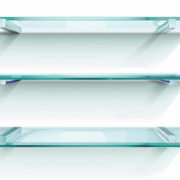
Glass shelves offer a clean, lightweight way to keep rooms tidy without taking up visual space. Whether you’re dealing with a compact kitchen, a narrow hallway, or simply want more room to display your favourite things, glass shelving leaves the space open and feeling larger. Many people searching for shelves in Brisbane are looking for that right balance between function and aesthetics, without adding bulk. With clever design, glass shelves provide storage that feels light and barely there. Their transparent look works with nearly any room style, especially in homes where open layouts and flow matter.

Late summer is a good time to look at how we can keep our homes feeling light and less cluttered, and glass shelving fits right into that idea. Let’s talk about how these shelves can work hard without being loud and how we can shape them to fit into modern Brisbane homes.

Light and Minimal Storage That Blends In

One of the biggest advantages of glass shelving is how it blends into a room without breaking up light or interrupting the space. Unlike timber or thick supports that tend to stand out, glass shelves seem to disappear into their surroundings.

  • They let light move freely through the room, keeping things bright and airy
  • Their clear surfaces don’t block views or make walls feel closer than they are
  • They adapt easily to most decor styles, from modern to traditional

This makes glass particularly handy in places like small bathrooms or tight kitchens, where space is already limited. The shelves create helpful storage without adding bulk or weight. You get somewhere to put necessary items without changing how the room feels. That matters in places where you’re already managing around sinks or benchtops, and every bit of saved space makes a difference.

Practical Uses for Glass Shelving in the Home

Glass shelves aren’t just for show. With the right layout, they become part of daily life, making busy areas feel more organised without looking crowded. Glass fits into nearly any room of the house when designed with intention.

  • In laundries and utility spaces, wall-mounted shelves free up floor area
  • Narrow entryways benefit from slim glass shelving that doubles as a small catch-all
  • In kitchens, glass shelves work well for displaying dishes or holding spices
  • Living rooms and home offices can use them for books, plants, or photos

Corners and awkward wall spots that go unused can transform into helpful little zones with a bit of custom design. The clear lines of glass give a sense of order, especially when storage is needed without adding big furniture pieces.

We’re seeing more people look for those in-between solutions across their home, not full shelving systems, but smart, simple shelves that solve daily clutter without fuss.

Why Glass Shelves Work Well with Brisbane Homes

Brisbane homes, particularly newer builds and renovations, often favour open designs with lots of light. Glass shelves fit neatly into that layout. They don’t block natural sunlight or interrupt the visual line of a room. That’s something people searching for shelves in Brisbane often value, a way to stay neat without closing things in.

We also have to take the climate into account. Long summers, warm airflow, and lots of sun mean materials that carry heat or hold moisture won’t always fare well. Glass handles our climate without swelling, collecting dust, or absorbing heat the way some surfaces can.

There’s something to be said for how easy glass is to keep clean too. Dust, pet hair, and smudges wipe off fast, and there’s no need to repaint or refinish over time. In homes where airflow and sunlight are part of daily life, that convenience makes glass shelves feel practical and low stress.

River City Glass supplies toughened safety glass or mirrored shelving, with a polished edge finish for added safety and appearance. We help clients select shelf thickness, supports, and placement locations to suit family homes, busy businesses, or special decorative requirements.

Choosing Design That Stays Safe and Subtle

A good shelf design doesn’t just look right, it works quietly in the background. That means picking details that provide support and safety without grabbing too much attention.

  • Thick glass with polished edges is safer and more durable
  • Rounded corners work better if you’ve got kids or pets moving around
  • Discreet wall fixings keep the design tidy and let the glass take centre stage

Where we place shelving also matters. Putting it at or just above eye level keeps it easy to reach but out of the way. In areas like near a sink or along a hallway, keeping shelves out of elbow range helps them stay clear and prevents accidental bumps.

The goal is never to make glass shelves the focus. Instead, it’s about letting the storage quietly support the area, hold what it needs to hold, and then disappear into the wall again.

Making Storage Feel Like Part of the Decor

The best additions to any room feel like they always belonged there. Glass shelves can do that well when matched properly with a room’s wall colour, tile layout, or general style. Clear glass lets walls come through, which means anything you hang on it doesn’t distract from paint colours or decorative finishes.

  • Mirrors, neutral paint tones, or textured feature walls all pair well with clear shelving
  • Shelves can be used to highlight corners without capping them off visually
  • Small potted plants, framed photos, and candles can give a shelf both purpose and personality

You’re not trying to make a big statement with these. Instead, they act as a gentle frame for whatever goes on them. The result is tidier, yes, but it also adds a sense of calm. When the clutter is off your flat surfaces but the room still feels open, it’s that balance that everyone is after.

Clear Storage, Clearer Spaces

Glass shelving gives us a way to add function without loading the space with visual weight. That makes a real difference in brighter, open Brisbane homes where airflow and space matter. Whether we’re talking about a tight kitchen, small laundry, or living area with shared functions, subtle storage helps the room stay easy to move through and more enjoyable to be in day to day.

The right shelf design should give you space to breathe, not something extra to clean or work around. Glass shelving supports the simple goal of keeping our environments clearer, both in how they feel and how they function. When done well, it stays almost invisible, but makes life a bit smoother all the same.

Enhance your living space with glass shelving that offers both style and function, perfectly complementing Brisbane’s warm, open interiors. Our team at River City Glass specialises in subtle, timeless shelving solutions for bathrooms, kitchens and beyond. See our shelves in Brisbane to find what fits your home best, then call us for a friendly chat about your ideas and needs.

Window

Should You Replace or Repair Damaged Window Frames?

After a long, hot summer in Brisbane, it’s not unusual to notice a few things around the house that don’t work as well as they used to. One of the most common issues we see as temperatures begin to shift is damage to window frames. These frames go through a lot, holding up against rain, sun, and movement. It’s easy to ignore the small signs at first, especially when the days are still warm. But small problems have a way of growing if left alone.

As we head into late February and the cooler months start to creep in, it’s a smart time to stop and check your windows. Gaps can let in wind, frames can swell or shrink, and moisture can sneak through before you realise it. The question is, when does it make sense to fix what’s there, and when is a full window frame replacement the better call?

Signs Your Window Frame Needs Attention

Some signs of damage are easy to spot. Others are more subtle, but they may point to issues that need fixing before they get worse. Here are a few common things to look out for:

  • Cracks or peeling around the frame, especially in timber
  • Doors or windows that stick or are harder to open and close smoothly
  • Draughts that you feel around the frame, even when the window is shut
  • Watermarks or damp patches near the edges of your sill
  • Increased outside noise getting into the room

Even if something looks like a cosmetic issue, it may be covering something deeper. Rotted timber, damaged seals, or even slight shifting in the structure can create problems that only show up once the weather turns. If you’re seeing any of these signs, it’s time to take a closer look.

When a Repair is Enough

Not all damage means you need to pull out the whole frame. Sometimes, a careful repair can give you a few more good years out of what’s there. The trick is knowing when the damage is still surface-level and hasn’t started to affect the rest of the structure.

  • A bit of swelling in the timber that dries out when the weather changes
  • Tiny cracks where a corner was bumped or exposed to brief moisture
  • Paint flaking due to sun exposure, but the frame underneath remains solid
  • Small patches of soft wood that haven’t yet affected the whole joint

For frames that are still holding their shape and closing properly, spot repairs can be a solid choice. Replacing a trim, fixing warped edges, or sealing a weak seal can give the frame a second wind without turning into a full project. But this only works if the frame hasn’t rotted through or lost its grip on the glass.

When Replacement Is the Better Option

There comes a point where repairing the damage isn’t going to solve the bigger problem hiding under the surface. Window frames that sag, warp, or rot will only keep getting worse, especially once moisture starts to settle in. That’s when window frame replacement becomes the safer and longer-term fix.

Frames that need full replacement often show signs like:

  • Visible warping that throws off how the window opens or closes
  • Rounded corners, or areas where the frame is pulling away from the wall
  • Heavy rot, either inside the timber or layered along the bottom
  • Rust or heavy corrosion on older metal framing, especially if surrounding materials have started to break down
  • Repeated repairs in the same spot that don’t seem to solve the issue

Brisbane’s heat and humidity are rough on older materials. Constant exposure to sun and then sudden cool snaps can strain the existing structure. If the frame has already been repaired in the past but keeps coming undone, replacement gives your home the protection it needs going forward.

Different Frame Types and Why They Matter

Not all window frames are built the same. The material your frame is made from makes a big difference in deciding whether to repair it or replace it.

  • Timber frames are easier to repair for small damage but tend to rot or warp if left exposed to water
  • Aluminium frames don’t rot, but once bent or cracked, are harder to fix without replacing entire sections
  • Composite or mixed-material frames can be more complex, and repairs depend on where the damage is and how the layers are bonded

Timber gives plenty of warning signs before it becomes a problem, but once it starts to rot, it spreads fast. Aluminium holds up better under heat, but dents don’t pop back into place, and cracks often mean a seal has failed. Knowing what kind of frame you’re dealing with makes it simpler to figure out the right next step.

Getting Ahead of Problems Before Autumn Sets In

February in Brisbane is still quite warm, but it doesn’t stay that way for long. As autumn begins to move in, we often see tools shrink slightly, windows shift in their frames, and the first patches of cooler, moist air build during the night. If a frame already has damage from the summer heat, the added stress can make the problem worse.

Taking action now helps avoid larger issues turning up during the wetter months. Paint helps protect timber, but once it’s cracked or flaking, water finds its way in quickly. This is especially true near open windows or those close to gardens or overhangs. Sticky windows or new draughts might not seem like much today but can become harder to ignore as the season closes in.

A quick check now saves worry later, especially if something needs attention before cooler weather and added moisture make it harder to repair cleanly.

Strong Windows Make a Safer Home

Knowing when repair makes sense, and when it’s time to consider window frame replacement, can help prevent both frustration and bigger bills down the track. Spotting the signs early puts you in control, especially before weather changes bring new risks.

A safe, sealed frame not only supports the glass and keeps out wind, but also keeps your home feeling comfortable through seasonal changes. Whether it’s a soft timber corner, a noisy wind draught, or a twist in the frame after heavy sun, each small detail tells you something. Paying attention now means you’re not caught off guard later.

When your frames are showing signs of wear or damage that can’t be safely or cleanly repaired, it may be time to consider a complete window frame replacement. For homes in Brisbane, we always factor in our region’s weather and long-term exposure before recommending the best way forward. At River City Glass, we work with you to make sure your windows stay secure and trouble-free. Give us a call and let’s find the right solution together.

Glass

Fixing Cracked Glass on Windows Doors and Tables

It’s easy to overlook the early signs of glass damage around the home, especially when the weather is still warm and everything feels settled. But now, as summer leans into autumn in Brisbane, it’s the perfect time to take a closer look. Whether it’s a window pane, a door panel, or the top of a table, cracks tend to appear from heat, stress, or just a small bump over time. That fine line across the corner or a chip along the edge could be more than annoying, it could turn into a real headache as the temperature drops and winds pick up. Acting now to fix cracked glass can stop it getting worse and keep your space safe and looking tidy.

As summer comes to an end, many homeowners become focused on other household priorities, sometimes missing early indicators that glass is damaged and needs to be fixed. Changes in lighting, spending less time outdoors, or simply more activity as the calendar turns over can all distract you from seeing a new line in the glass or a loud creak that didn’t used to be there. It can help to make a habit of pausing occasionally and running your hands around door panes, window sills, or table edges to spot any cracks or chips while the weather is still mild. That way, you are more likely to catch problems before autumn’s chilly air and wet conditions make things worse.

What Causes Cracks in Glass Around the Home

Cracks don’t always come from a big accident. Often, they build up gradually from things we’ve stopped noticing.

  • Heat stress from long summer days can expand glass beyond its usual range, especially in windows that face direct sunlight
  • Everyday use puts pressure on doors, which may cause weakened corners to split over time
  • Tables, particularly those with glass inlays or tops, take their fair share of knocks from dropped items or sharp corners

Another common issue is aging materials. Older homes in Brisbane often have glass that’s been in place for years. Seals wear down, frames move slightly with changes in weather, and tiny gaps form. Once these weak spots appear, a change in temperature or a minor bump can cause a crack to appear or grow quickly.

In addition to these, uneven settling of the house and vibrations from nearby construction or heavy traffic can also contribute to stress on your glass panels. Even seasonal changes, such as sudden shifts from wet to dry conditions, may create enough movement to trigger a visible crack or worsen existing damage. Keeping an eye on these common sources of stress can help you understand why glass sometimes fails without any obvious impact.

River City Glass always supplies and fits toughened safety glass or laminated panels for repairs and replacements, giving extra peace of mind for families and busy homes.

How to Tell if a Crack Needs Fixing Soon

Some cracks are obvious. Others, not so much. Either way, letting a crack sit too long can lead to water leaks, further damage, or even a full break.

Here’s what to watch for:

  • Cracks that lengthen over time, even just a little
  • A sharp edge or sound when you run your hand across the area
  • Clicking or creaking noises when the door closes or the window moves
  • Fogging or moisture on the inside of the glass layers

Surface cracks can seem harmless, but they change how strong the glass is. What holds together now might not hold through the next cold snap or a strong gust. If something feels off or doesn’t look right, there’s a good chance it needs more attention than you think.

Cracks are not always confined to just one area, either. Sometimes a break will travel along the edge of a piece of glass, making it more vulnerable to expanding in a web-like pattern. If you notice even the smallest new chip, inspect the rest of the panel for changes. Sounds such as unusual clicks or shifting noises can mean that the entire pane is under stress, possibly putting pressure on adjacent seals or the frame. It’s worth making a habit of checking your glass every few weeks, especially as temperatures start to fluctuate in late summer and early autumn.

Differences Between Glass in Windows, Doors, and Tables

Glass plays a slightly different role depending on where it’s used in the house. That’s why where the crack is makes a big difference in how quickly you’ll want to deal with it.

  • Window glass is often sealed and exposed to temperature swings, so even a small crack can lead to leaks or weakening
  • Door glass needs to handle movement and regular use, so framed sections or glass inserts that are cracked can become unstable fast
  • Table glass depends on how it’s supported, if the crack isn’t supported underneath, the whole panel can give way unexpectedly

Beyond function, there’s the look. A cracked coffee table or a chipped patio window draws attention for the wrong reasons. In busy parts of the home, those cracks get noticed often, especially by guests or small kids running past. Fixing them early takes away the risk and keeps the space feeling well kept.

Additionally, some glass is designed for extra strength or security. Laminated glass, often used in bathrooms or as door inserts, features layers that help prevent shattering, but even these can be compromised if left unchecked. Tempered glass, on the other hand, is strong, but when cracked may suddenly break into small, blunt pieces. For windows, a small crack may start as just a visual issue, but over days or weeks, it can let in unwanted drafts or moisture, which could harm timber frames and interior finishes. In tables, glass that isn’t properly supported risks collapse with just a little extra pressure or temperature shift. Understanding the unique characteristics of glass in various locations can guide you in prioritizing which cracks need urgent attention.

Our repairs are done using Australian Standard glass, and we include a workmanship guarantee so repairs stay safe and secure as the weather changes.

Why Late Summer Is the Right Time to Act

February is still warm in Brisbane, but little by little, early signs of change are starting to show. Overnight lows begin to drop and that snaps cold air into already stressed materials. If there’s a crack, that temperature shift hits it directly and causes more tension across the panel. Combine that with early autumn breezes or damp mornings, and it’s a clear recipe for an existing crack to grow.

Once the cool weather settles in, it becomes harder to repair glass cleanly. Moisture can creep inside cracks more easily, and you risk needing a full replacement instead of a smaller fix. This time right before autumn truly lands is ideal to take care of problems while the weather is steady and you still have time to get ahead of damage.

Making repairs before the cooler weather not only prevents existing cracks from growing but also helps preserve the energy efficiency of your home. With Brisbane’s weather in transition, unaddressed cracks can mean higher energy bills as heated or cooled air escapes. Catching and repairing glass in late summer also allows you to schedule work conveniently, avoiding delays that often come once autumn rains start and demand for repairs rises. A little foresight during this transitional period pays off well into the colder months ahead.

Keep Your Glass Safe, Clear, and Strong

We tend to live with small issues, especially when we’re busy. But cracks in glass don’t stay small for long. They spread quietly, often without warning, and before you know it, they’ve turned into a bigger, more expensive repair.

Taking control early can make the difference between a quick fix and a more serious problem later. A clear, uncracked surface looks better and offers peace of mind through the cooler months. Catching the damage at the right time keeps your space warm, protected, and stress-free long after summer has passed.

Glass that is free from cracks not only keeps your rooms looking great but also helps protect your home from the elements. Regular inspections, especially as summer turns to autumn, are a smart habit that will pay off in the long run by ensuring your home remains safe and comfortable. You’ll appreciate having made the effort early, particularly when winter weather begins, and your glass remains strong and secure for whatever the season brings.

Small cracks in your windows, doors, or tables can quickly turn into bigger problems, especially as cooler weather arrives in Brisbane. We understand how easy it is to overlook minor glass damage, but acting now means more peace of mind and a safer home or business. Let our expert team at River City Glass help you fix cracked glass before the damage gets worse. Reach out to us today to discuss your options.

Glass

What to Know About Glass Crack Repair Before Autumn

As summer winds down in Brisbane, the damage from the season’s heat can still hang around, especially when it comes to glass. Long days of strong sunlight and fast-moving storms often leave their mark on windows and doors. Small chips or cracks might seem minor now, but they’re exactly the kind of issue that becomes a problem once the weather cools.

We always recommend looking into glass crack repair before autumn rolls in. Those small cracks will not go away on their own, and the shift in temperature through March and April can turn tiny lines into bigger breaks. Water can sneak in, especially during humid mornings or early rain, and cause the crack to grow. What felt like a small cosmetic flaw in summer could lead to a serious leak or full glass failure if it is not sorted early.

Why Summer Damage Matters More Than You Think

At a glance, glass looks solid. But during summer, it is under a lot more pressure than most people think. The UV light we get across Brisbane in the warmer months can start to break down glass over time. Combine that with the quick shock of afternoon storms or the constant heating and cooling of the day, and it is not hard to see where small cracks can start.

River City Glass uses toughened safety glass in repairs and replacements, helping protect homes from further damage after the initial impact. Safety glass is designed to resist pressure changes better than standard panes, reducing the risk of sudden breakage as the weather cools off.

The trouble is, summer damage does not always show right away. A faint line or tiny chip might go unnoticed, but as soon as nights get cooler, glass begins to contract. That is when the damage can start to spread faster. Add morning dew or the first bouts of autumn rain, and moisture begins getting into those spaces. Once it is in, it puts pressure on the glass every time the temperature flips from warm to cool and back again.

How to Spot a Crack That Needs Attention

Many small cracks do not look like much at first. It is easy to miss them during the daily rush. But there are clues to watch for during this time of year.

  • Fine lines that seem to grow longer over a few days
  • Chipped glass near the corners or edges of windows or doors
  • A faint rattling or clicking noise when the door shuts or the window moves

If the crack is only on the surface, it might seem harmless at first. But deeper damage often gives itself away through marks inside the panes, tiny bits of water between the seams, or distorted reflections. Look closely for fogging around the borders of the glass or faint discolouration. These issues usually mean the seal has been breached, and that is when more serious problems follow.

Why Autumn Is a Problem for Damaged Glass

It is easy to think cooler weather gives glass a break, but the truth is, it often makes things worse. During early autumn in Brisbane, we see more chilly nights and damp mornings. This creates a mix of conditions that add stress to cracked glass.

  • Cold air gets into the crack at night, making the glass contract
  • Warmer air during the day heats it back up, making it stretch again
  • Moisture from evening rains finds its way into any gaps, weakening the surface from the inside

This back and forth causes expansion and contraction. Over time, even a tiny crack starts pushing outwards. Once that process begins, it is much harder to fix. Many people wait until the window fogs up or a leak starts before acting, but by then, it is often too late for simple repairs.

When to Act and What Not to Risk

Most of us do not think about the glass around our homes until something goes wrong. But glass plays a big role in comfort, safety, and keeping daily life running smoothly. Waiting until autumn weather kicks in can lead to more than a bigger crack.

  • Security can be affected if the damage makes it easier for glass to break
  • Cold air leaks through cracks, making indoor spaces harder to keep warm
  • Rainwater can seep in, causing damage to floors, walls, or nearby fittings

River City Glass always provides a workmanship guarantee on repairs and replacements, making sure every glass job is protected and built to last. Having a professional check even small cracks early in the season avoids those costs and helps you stay ahead of the weather.

Even if the issue looks small, we have seen how fast it changes. That is why we always point out the risks of waiting. If you notice a chip or line, acting before mid-autumn helps avoid higher costs later. It is usually simpler to repair small damage while the days are still warm enough for it to settle properly.

Stay One Step Ahead This Autumn

Taking care of small cracks now means fewer surprises once the season changes. By fixing things before the cooler weather begins to settle in, we can avoid rushed fixes or bigger problems during the colder or wetter months.

Cracked glass has a way of turning up at the worst time. But if we stay ahead of it now, we can keep our homes warmer, drier, and more comfortable for the months ahead. Autumn comes fast in Brisbane, and with it, come all the usual signs of wear, just do not let a tiny crack be one of them.

Noticing small chips or cracks in your home’s glass early on makes a big difference, especially as Brisbane’s cooler mornings approach. Addressing minor issues now can help you avoid the hassle and expense of a full replacement down the track. Discover how our team expertly manages glass crack repair in your area. Give River City Glass a call and let us help you protect your home ahead of the season.

Glass Door

Do You Need Glass Door Repair After Storms in Brisbane?

Summer storms in Brisbane can arrive quickly and hit hard. The mix of strong wind, heavy rain, and flying debris often catches people off guard. Homes can come through looking fine at first glance, but glass doors are usually one of the first things that take the hit. They sit right in the path of outdoor weather, and even a small knock during a storm can leave a hidden crack or loosen a frame.

We always tell people not to wait when something does not feel quite right. Missing the early signs of damage could make glass weaker or turn a minor issue into something far more expensive. That is why checking for damage early helps avoid long-term stress around the need for glass door repair.

Signs Your Glass Door Was Damaged in the Storm

Some signs will be obvious, but others might only show up after things dry out or the wind has passed. It pays to notice what has changed.

  • Tiny chips or cracks in the glass that were not there before
  • The door feels like it is sitting differently in its frame or does not close the same way
  • You feel a draft, even when everything is fully shut and latched
  • Water trapped around the frame or building up on the inside of the glass
  • New sounds, like creaks or rattles, when you slide the door open or closed

These are not just quirks. They point to pressure or shock from the storm, and they often mean the glass or the frame has shifted. When this happens, the seal that protects your home may no longer be doing its job.

Why Storm Damage Can Get Worse if Left Unchecked

Even the smallest impact can start a chain reaction. Once a crack or gap exists, everything else around it gets put under extra pressure. Summer in Brisbane means more moisture, higher heat, and quick changes in temperature, all of which speed up the damage.

  • Moisture that gets in through cracks can soak into wooden frames, encouraging rot or mould
  • Damaged seals let in humidity and even insects in some cases
  • Glass can expand and contract in the heat, which can deepen cracks
  • If the glass is loose, the risk of it shattering is much higher during the next storm or even with day-to-day use
  • A weakened door can be easier to force open, which affects home security

What seems like a small issue now could grow into a problem that calls for completely replacing the panel or frame.

What Makes Glass Doors Different from Windows After a Storm

Glass doors do not behave the same way as windows. They tend to feature bigger panels that carry more weight and cover more space. That means when stress or pressure hits them, the damage can be spread out and harder to see at first.

  • Their size means they flex more during wind, particularly sliding or stacker doors
  • The tracks and rollers used in sliding doors are sensitive to even slight misalignments
  • If wind shoves the door off its track or puts pressure on one corner, you may find that it jams or sticks the next time you try to use it
  • They are usually located in high-risk zones of the house, like pool areas, patios, or back entries that carry more exposure to debris

Since they function as entry points, any weakness here can leave the home more open to both weather and safety concerns.

When It’s Time to Call for Glass Door Repair in Brisbane

Some faults can be spotted the same day the weather clears. Others show up over time but should not be ignored once you know they are there.

  • If the door catches, drags along the track, or needs a push to close or open
  • If gaps around the edge let in warm air or dampness, even after you have checked kills or draft stoppers
  • If the frame no longer feels firm when touched, especially around the corners
  • If the glass gives off a foggy or misted look, which could point to broken seals
  • Any crunching sound or light rattle when the door is used

These issues tend to show that the door has shifted more than it should. The longer the delay, the more likely that seals, hardware, or even the glass might need full replacement later on.

Keeping Your Home Safer Before the Next Storm

There is always another round of summer storms coming. While we cannot change the weather, we can prepare for it by taking good care of what we already have. Early checks are a big part of preventing heavy damage.

  • Walk around and look for small signs of wear each time a storm passes
  • Notice if the door sticks more than usual or hangs slightly off track
  • Clear tree branches or loose items from near your glass panels since these are often the first things picked up by the wind
  • Look for signs of swelling in timber frames or bubbling in sealants

Taking notes or photos can make it easier to compare from one storm season to the next.

Staying Ahead of Repair Problems in Brisbane’s Storm Season

Once summer rolls on, and storms start to ease off, we tend to go back to regular habits. That is when a missed sign of damage can grow unnoticed. But paying attention early on helps prevent that sudden break or leak weeks after the last storm has passed.

Repairing glass doors as soon as problems show up can keep your home more sealed, quieter, and easier to cool during Brisbane’s hot months. It also means you are not stuck rushing for solutions during the next round of bad weather.

We always say it is better to trust your first instinct when something does not feel right. If your glass door is not working like it used to, there is usually a reason, and it is usually quicker to fix than to wait.

Storm damage can leave your glass door difficult to close or make it look unstable, and small issues like misaligned frames or hairline cracks often worsen during Brisbane’s humid summer months. Acting early helps prevent further damage and restores peace of mind at home. For expert glass door repair, contact River City Glass and let us take care of your repairs today.

Frosted Glass

Frosted Glass Doors That Make Privacy Look Good

Trying to add privacy to a home can sometimes feel like trading comfort for shadow. People want their spaces to feel calm and personal, but not boxed in. Thick curtains or solid doors can make parts of the house feel shut off, even when privacy is the goal. That’s where frosted glass doors come in, offering a simple way to add privacy without blocking light or changing the energy of a room. Whether it’s a shared bathroom, a bedroom entry, or a connection between rooms, these doors offer smart solutions that work well throughout the house. We often suggest them to homeowners looking for more privacy that doesn’t sacrifice openness, especially during longer summer days, when natural light is part of what keeps a space feeling fresh.

Where Privacy Meets Style: What Frosted Glass Really Offers

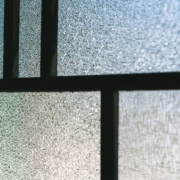
Frosted glass works by diffusing the light that passes through, making shapes and movement appear blurry from the other side. It creates privacy without making you feel shut in or removing light altogether. Depending on how it’s made, frosted glass can have different levels of opacity, which means you can pick how much visual coverage you want.

We see frosted glass doors used often in:

  • Bathrooms, where privacy matters most, but many want to avoid heavy materials that make small spaces feel tighter
  • Home offices, so you can close off a work zone without feeling sealed off from the rest of the home
  • Front entrances, where frosted glass lets in daylight while limiting visibility from outside
  • Laundry rooms or pantries, giving these service zones a tidier look without needing to be fully hidden

Choosing the right frame colour or style affects how the door fits the rest of the room. Light-toned wood makes it feel residential and warm, while dark powder-coated frames look cleaner in modern homes. Glass texture makes a big difference too. A soft satin finish gives a gentle glow, while etched lines or patterns can boost privacy by adding visual breaks across the panel.

Design Details That Make a Difference

A big part of how frosted glass fits into a space comes down to its shape and how it’s built. These doors come in a range of finishes and styles that match different rooms and layouts. For Brisbane homes especially, where design often mixes airflow with visual flow, we tend to see a few types stand out.

  • Full-length framed doors bring light from one room to another, perfect for narrow hallways or rooms without side windows
  • Sliding frosted glass doors work well between kitchens and laundries or bedrooms and dressing rooms
  • Glass inserts in timber frames add a small privacy feature while fitting cleanly into classic Queenslanders or more traditional plans

Putting patterns into the glass, like horizontal lines or dotted textures, changes the way light carries through the door while adding style. Some patterns break up the view more than others and make the glass look livelier, which helps avoid a plain or sterile look. These options are handy in homes where privacy is needed but the look of a solid door doesn’t feel right.

Each choice you make, from frame to finish, affects how frosted glass works in the space. It lets you match your privacy needs without giving up design. The right pattern or style gives you freedom to decide what works best for your room, whether you want more coverage or just a bit of a barrier between different areas.

Keeping Cool Without Losing Light

Summer in Brisbane means long days and warm interiors. Good airflow matters, but so does the way light and heat move through the space. Frosted glass doors are one way to keep rooms feeling connected while softening sun exposure. They let light travel through without letting everything be seen.

The finish on frosted glass helps scatter harsh direct light. This makes it less likely for rooms to overheat during the hottest parts of the day, especially when used in east-facing areas. It’s a way to manage light levels without needing to draw heavy curtains or stack blinds across interior doorways.

River City Glass uses safety glass in all internal door installations, providing added peace of mind in high-use or high-traffic areas. With more than forty years of experience, we help our customers select the right finish and style so the result feels made-to-measure rather than one-size-fits-all.

We’ve heard from plenty of people who don’t want to block off airflow but still want their privacy protected. These doors make that balance easier. You can leave them partially open or slide them fully aside during cooler hours, then close them again when privacy or light control is needed.

Frosted glass doors also make it easier to stop using window dressings in smaller rooms. Less fabric, less dust, and fewer light traps during the hot season. Even in spaces where you want to block a view, frosted doors let in that little bit of light that keeps rooms from feeling stuffy or closed.

Practical Benefits Around the Home

Style might be the main reason someone adds a frosted glass door, but the ease of use tends to be what people appreciate most. They’re surprisingly low maintenance. Unlike clear glass, frosted panels don’t show every fingerprint or smudge. This is especially helpful for homes with kids, where messy hands often meet interior doors.

The toughened glass used in most frosted panels adds another layer of value. It’s safer in high-use areas and won’t break into sharp shards. If it ever does crack, it crumbles into dull pieces, making them a better fit for homes where safety is a concern.

Smaller homes also benefit from swing or sliding frosted doors. A tight bathroom layout or back-entry nook doesn’t always work with a solid slab door. Glass lightens the feel and reduces visual bulk, which matters in closed-in or high-use spaces.

They’re practical, safe, and need very little care to keep looking good. Maintenance is simple, and wiping down smudges or streaks becomes a quick task that doesn’t demand a deep clean every time.

Depending on where they’re installed, these doors help with day-to-day living too. In rooms that see a lot of visitors, or where doors open and close often, frosted glass stands up to wear and keeps looking tidy. It gives you a sense of privacy but doesn’t create barriers that make daily life harder.

The Simple Solution for Modern Privacy

Frosted glass doors continue to be a smart choice for many Brisbane homes. Whether it’s about creating a quiet workspace, softening a bathroom entrance, or brightening a hallway, they solve common layout challenges in ways that look and feel right. They work in small flats and larger family homes without needing major changes to layout or structure.

With options like custom-sized framed entries and sliding configurations, River City Glass can supply and install solutions that fit unique Brisbane homes and apartments. Privacy can look stylish and still let in plenty of light.

Enhancing your home’s privacy while maintaining a light and airy feel is simple with options like framed entries and sliding panels. There are plenty of ways to use frosted glass doors that suit Brisbane homes perfectly. At River City Glass, we understand how design and function must work together, especially when space and heat matter. When you’re ready to look at the possibilities, give us a call and we’ll help you find the best solution for your space.

Car Window Crack

How to Fix a Car Window Crack Before Summer Heat Hits

January in Brisbane can be unforgiving when it comes to car windows that already have a crack. If your vehicle has any damage to the glass, especially the side or rear windows, the summer heat can turn that small issue into a much bigger one. The pressure from rising temperatures doesn’t just sit on the surface. It builds over the day, making cracks spread without warning.

It’s always better to fix a car window crack while it’s still manageable. Waiting until the hottest days hit can lead to shattered glass, weather damage, or worse, needing to replace the whole window. This kind of repair may seem minor, but it doesn’t take long for heat and sun to make the break worse. The sooner it’s checked, the easier it is to stay safe and avoid disruptions.

What Summer Heat Does to Cracked Glass

Summer in Brisbane has a way of pushing everything to its limits. Glass, especially when weakened by a crack, responds to heat in ways you might not expect.

  • Hot weather causes glass to expand. If there’s already a line of damage, that expansion puts pressure on the edges of the crack, making it grow quickly or even splinter further
  • Afternoon heat builds fast inside your car. With sunlight beating down on a dark interior, pressure builds on both sides of the window. That uneven pressure only makes the damage worse
  • Ultraviolet rays work on the glass over time, weakening older windows and reducing the strength around edges or chips

It’s not just about comfort. Even small cracks can become invisible hazards when exposed to this kind of pressure. A cracked window that holds together in the morning might not survive a long day parked by the kerb.

Why Delaying a Repair Leads to Bigger Problems

Putting off glass repairs comes with more trouble than many realise. What starts as a small mark can become harder and more expensive to deal with later.

  • Moisture from rain or morning condensation seeps through cracked surfaces and can get caught between the glass layers
  • Over time, dirt and grit collect in the damaged area, making visibility poor and grinding into the crack, which worsens the damage
  • When cracks grow across the glass, they distract drivers, reflect glare from the sun or streetlights, and can lead to full glass failure on bumpy roads

We’ve seen cases where windows that could have been repaired quickly were left too long. Once the glass loses its structure, the entire window often needs replacing. Postponing makes travel less safe and could make repairs harder.

What to Look for Before the Crack Gets Worse

Even if the damage seems small, there are early signs that shouldn’t be ignored. Catching them early can make a big difference.

  • Does the crack seem longer than the day before? Keep track of its growth by using a small marker just next to the edge
  • Are the ends of the crack becoming jagged or flaking? That’s a sign tension is building and the glass might give way
  • Listen for popping sounds or ticking noises when the car cools overnight or heats during the day. These sounds often mean the glass is under strain

If you notice any of these signs, parking under shade or out of direct sunlight won’t stop the glass from failing. This is when it’s safer to avoid using the car until someone checks the window properly.

Repairing the Right Way: What Should Happen Next

We often hear of people trying to patch the crack themselves with tape or shop-bought resin kits. While it might seem like a quick fix, these shortcuts don’t secure the window for long.

  • Proper repair starts with fully inspecting the damage. Sometimes the crack is deeper than it looks
  • A real fix includes items like specialist resin, cleaning tools, and pressure systems designed for the shape and curve of your car’s window
  • Quick patches might hold off rain for a day, but they won’t stop cracks from spreading under Brisbane heat

Glass repair isn’t just about covering the gap. It’s about restoring the surface safely so that nothing shifts while driving or causes harm inside the car. Without the right tools and care, any crack can become a weak point that puts everyone in the vehicle at risk.

River City Glass uses quality products sourced locally for every repair, making sure all window glass meets Queensland road standards. Our workmanship guarantee covers every car window repair we undertake, so you know your vehicle is always in safe hands.

Why January is the Right Time to Act

It may already be hot, but January isn’t even the worst of the summer for Brisbane. That means any glass damage will only get more pressure in the weeks ahead.

  • Brisbane’s mid-summer often brings longer days and high humidity. Afternoon storms are common, and sudden temperature changes challenge glass that’s already cracked
  • If repairs get pushed off, it’s likely the crack will worsen before the end of summer, making it harder to travel, commute, or even lock up the car properly
  • Driving with broken or loose window glass during summer storms puts everyone inside at risk. The last thing anyone wants is more damage when help is harder to get quickly in bad weather

Sorting it out early keeps cars secure for the rest of the season. And it’s far less stressful than dealing with a full window failure when it’s thirty-five degrees out.

Stay Safer and Cooler with Quick Action

Getting ahead of the heat is the single best move when it comes to damaged car windows. Small cracks don’t stay small for long, especially with the mix of summer pressures we get around Brisbane. Even if it doesn’t look like a big deal, a crack left to bake under the summer sun can become a safety issue quickly.

River City Glass is a local, family-owned and operated business based in Brisbane, and we understand how local weather conditions put extra stress on car windows. Fixing the damage now means fewer surprises later. Take heat, moisture, and unexpected changes off your list of daily worries. It always feels better to drive knowing the glass is solid and the cabin is protected, especially when the weather outside won’t give you a break.

Window glass showing signs of stress can quickly become a bigger problem, especially with Brisbane’s unpredictable weather. Taking early steps to fix a car window crack helps you avoid further breakage, safety concerns, and unexpected expenses. At River City Glass, we’re here to help you stay ahead of costly repairs before the summer rush. Give us a call when you’re ready to get started.