Understanding How to Fix Cracked Glass Safely
Late winter can be hard on glass around the home. As nights stay cool and days start warming up in Brisbane, we move into that in-between period where glass panels often show signs of strain. This is when we start to see small cracks or lines in windows, doors, and interior glass panels that weren’t there the week before.
Those changes in temperature can cause stress in the glass. Add in moisture or humidity shifts and things start to stretch in ways we don’t always notice straight away. If we spot signs early, it can be possible to fix cracked glass before it turns into a full replacement job. Understanding which cracks matter and what to do can help protect both your windows and your peace of mind.
What Causes Glass to Crack?
Glass is strong but not unbreakable. There are a few reasons cracks start, and not all of them involve obvious damage.
- Thermal stress is one of the main causes. As temperatures change from cold nights to warmer days, glass can expand and contract. Over time, that movement adds invisible stress to the panel.
- Everyday knocks matter too. A firm door slam, a bump from a chair, or even shifting house frames can send small shockwaves through glass.
- Some cracks form slowly. You might not even notice them at first. Over days or weeks, a tiny mark can stretch until it’s hard to ignore.
We’ve seen it happen across everything from front windows to pool fencing. The trick is catching these early stress points before they start to affect more of the structure.
How to Spot a Crack Before It Gets Worse
Some cracks are easy to see. Others might only show when the light hits at the right angle. Knowing what to keep an eye out for helps.
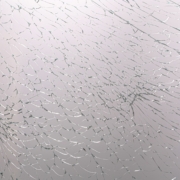
- Look for straight or jagged lines running across the surface. Sometimes they’re barely wider than a hair.
- Chips or small dents near corners or edges can be signs that something’s not right underneath.
- Fogging near cracks or between glass layers is another clue, especially on double-glazed units.
It’s good to check spots you might not look at often, like mirrored robes or glass in kitchen cabinets. Pool fencing and side panels on showers can also show signs in quiet ways. Take your time and walk slowly around areas that get regular light, especially in the morning or late afternoon. Light can highlight what your eyes might miss in shadow.
Sometimes, simply opening curtains or blinds during different parts of the day can help you spot fine cracks that are otherwise hidden. If you suspect something might be wrong but can’t see it during the day, try using a torch at night with the room dark to help those hairline marks stand out against the light. Keep in mind that even if you find just one or two small cracks, taking note of them early lets you keep track and see if they get bigger as the weather warms.
Why Delaying Repairs Can Be Risky
Small cracks don’t always stay small. Every time a door swings or a window rattles, that cracked panel is under pressure. Without doing much at all, a little line can stretch and run.
- Changes in pressure, movement, or weather can turn one corner crack into a branching line.
- Vibrations from passing traffic, strong wind, or even loud music can play a role in movement.
- If kids or pets are nearby, broken glass becomes more than an annoyance. It becomes dangerous.
Sometimes waiting feels easier, especially if the crack’s just in the corner. But early action usually means saving the whole piece. Left alone too long, it might not be repairable and will need a full replacement instead.
Remember as well that cracked glass can affect how easily windows or doors open and close. This can make things stick or jam, and you may find frames start to warp around the damaged area. Over time, what starts out as a small inconvenience becomes a bigger job, requiring more replacement material and longer repair time. In busy family homes, taking care of these things before spring really kicks in can help get ahead of those headaches.
Safe Ways to Handle Damaged Glass
Finding a crack can be frustrating. But the way we deal with it makes a big difference in how safe things stay.
- Don’t touch the cracked area directly. Pressing on weakened glass can make the damage worse or cause injury.
- Avoid trying to remove the panel yourself. Surrounding areas could be under tension and shift unexpectedly.
- If unsure, mark the spot and keep others away from it. That includes pets and smaller kids.
Gloves and tools don’t make the job safer without the right method behind them. It’s best not to test how far the damage has spread. Treat any visible crack like it could grow quickly and take steps to stop movement around it.
If the cracked glass is in a high-traffic spot or at kid height, consider blocking access with furniture until it’s checked. For larger panels, like sliding doors or fixed windows, avoid slamming them or letting them vibrate from loud noise or nearby activity. Sometimes, draughts will cause the panel to move more than usual, so try to keep windows and doors shut if you know they have a crack running through them. Staying cautious will help prevent any accidents before repair work can take place.
When the Weather Makes Things Worse
As we near the end of August, Brisbane’s cooler mornings begin to fade and longer days bring sharper warmth. That change is felt across every surface in the home, especially glass.
Warmer sunlight can exaggerate cracks, especially in windows that face east or west. If a panel’s already under stress, the warmth of spring can nudge it closer to breaking.
- Locations that cop direct sun are at higher risk, especially after early morning chill.
- Glass door panels opened and closed daily may be under more physical strain than fixed windows.
- Heat inside bathrooms or kitchens can combine with outdoor warmth and speed up cracking.
Late winter is actually one of the better times to act. It gives us a chance to catch damage before the full heat of summer sets in. The more use a glass panel gets, the more attention it may need during the seasonal shift.
Also, keep in mind that in humid places like Brisbane, increased moisture in the air during a spring shower can sneak into even the smallest cracks. Over time, this moisture might cause further expansion or lead to cloudy marks between the glass and the frame. Regularly wiping down windows and doors, as well as checking for leaks or dampness after rain, can help pick up on any new signs of damage making things worse.
A Clearer and Safer Start to Spring
Spring is a good time for a small reset around the house. That includes checking little spots that have been forgotten during the colder months. A cracked glass panel, even if barely visible now, will likely get worse as the weather warms.
Fixing cracked glass early is one of those small jobs that saves much bigger hassle down the track. It’s less about appearances and more about keeping your space safe and working the way it should. By staying alert to early signs, we give ourselves more room to fix problems before they grow.
Noticing early signs of cracked or weakened glass can save you time and money as the weather warms up. Acting quickly helps prevent larger problems down the track. Our Brisbane team at River City Glass is here to support you, whether it’s for your windows, doors, or interior fittings. Discover how we manage every detail needed to fix cracked glass safely and properly. Call us today and let’s discuss your next steps together.